Member profile


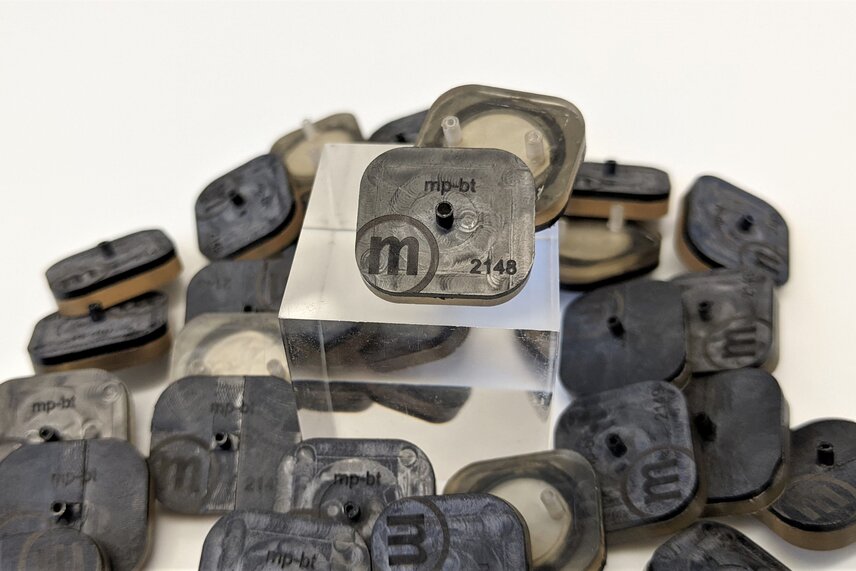
Air bubbles in a liquid sample are a major problem in numerous microfluidic experiments. That is why the engineering team from Bartels Mikrotechnik developed a solution: the mp-bt bubble trap removes air bubbles from a microfluidic system. Anja Blase, engineer at Bartels Mikrotechnik, says about the mp-bt: “Our goal was to build a bubble trap that is small, cost-effective and easily integrated into fluidic systems.”
When transporting fluids, air bubbles lead to a fluctuation in flow and pressure rates. Additionally, volume sampling errors are likely and the components can experience a decrease in performance: sensors dry up or chips do not work properly.
On top of that, air bubbles introduce oxygen to the system. This can lead to cytotoxicity, the damage of the biological sample. The main task of bubble traps is the in-line removal of those air bubbles. It protects experiments and helps the overall performance of the system.
At the end of 2021, the company launched their very own bubble trap. The mp-bt is smaller compared to other traps currently on the market. The mp-bt is a component that only needs to be connected via regular tubing. Then, the user connects a mp6 micropump to the bubble trap which creates a vacuum that sucks the air in the flow stream through the hydrophobic membrane in the trap. This ensures optimal performance.
For over 25 years, Bartels Mikrotechnik GmbH has been a globally active manufacturer and development service provider in the field of microfluidics and helps their customers find the right microfluidic solution for their application. As microfluidic SolutionMaker, Bartels offers a complete, application-oriented and modular liquid handling system.
.jpg)
As of August 1, 2025, Bartels Mikrotechnik proudly welcomes Florian Siemenroth as Co-Managing Director. Together with Monika Kremer, he will …
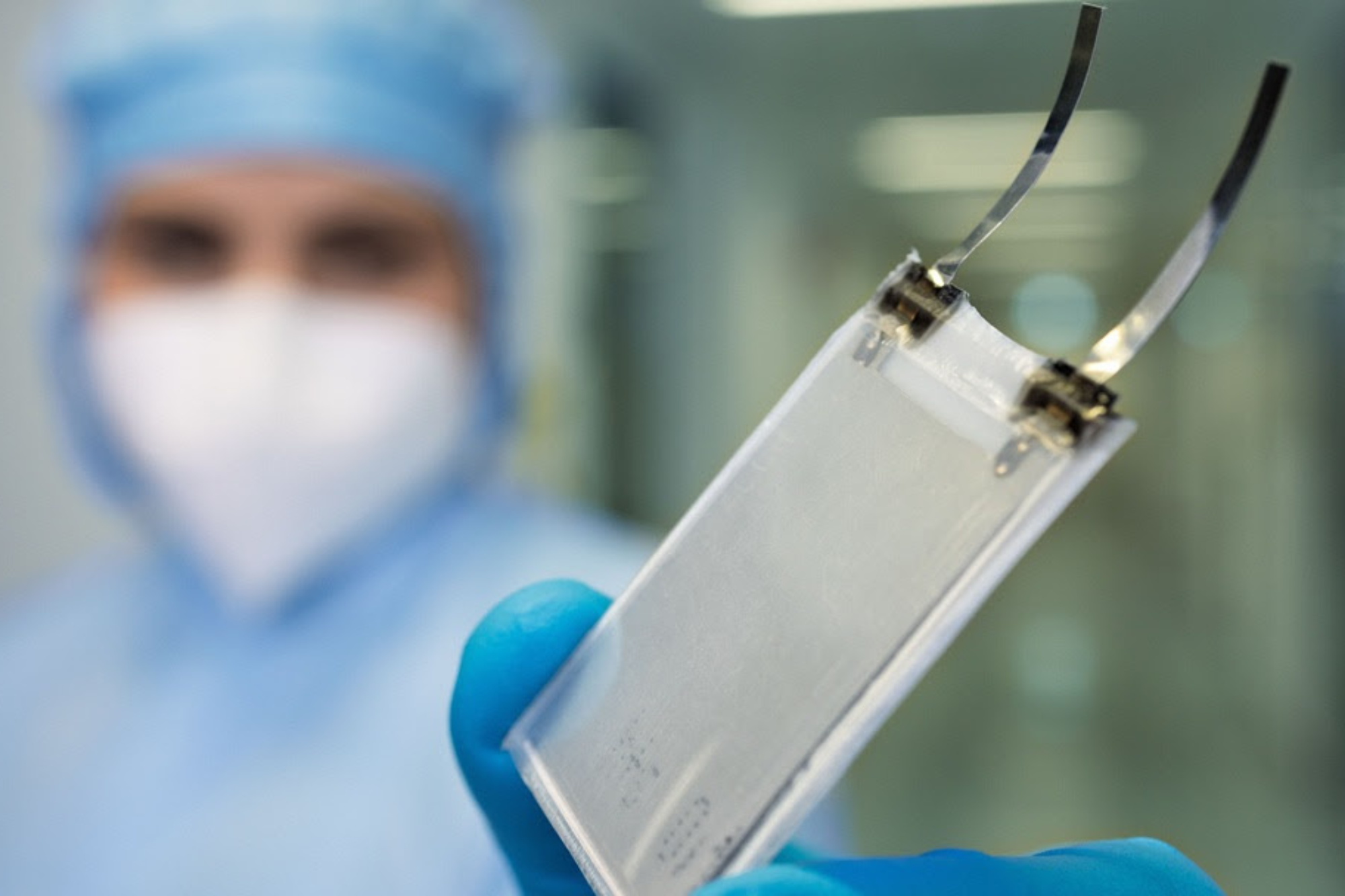
With support from the Fraunhofer Institute for Reliability and Microintegration IZM, the start-up Zn2H2 is developing a new generation of …
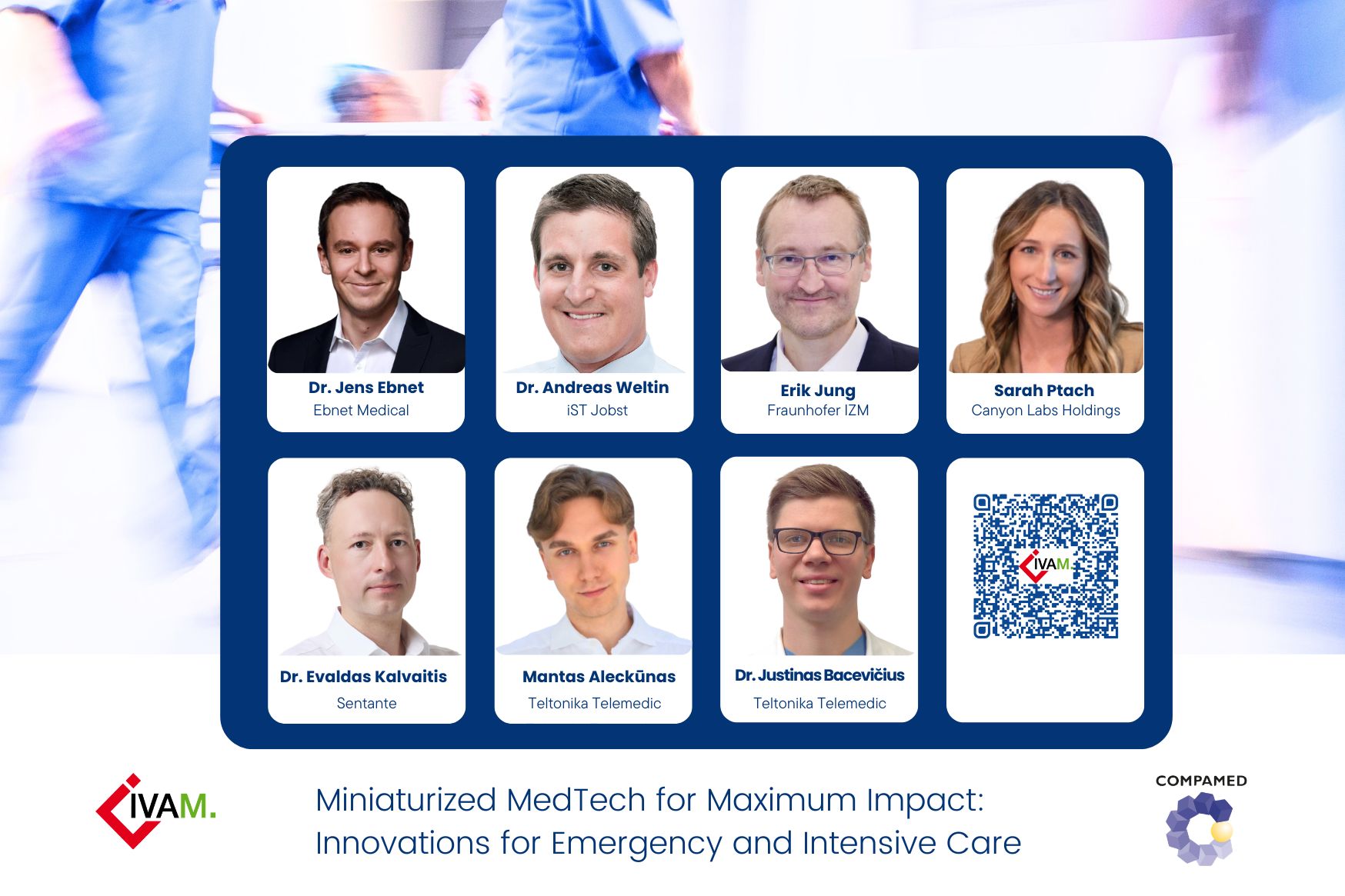
The healthcare systems worldwide are undergoing a profound transformation – particularly in emergency and intensive care, where every second counts. …
 (1).1.png)

.jpg)