Links
Member profile


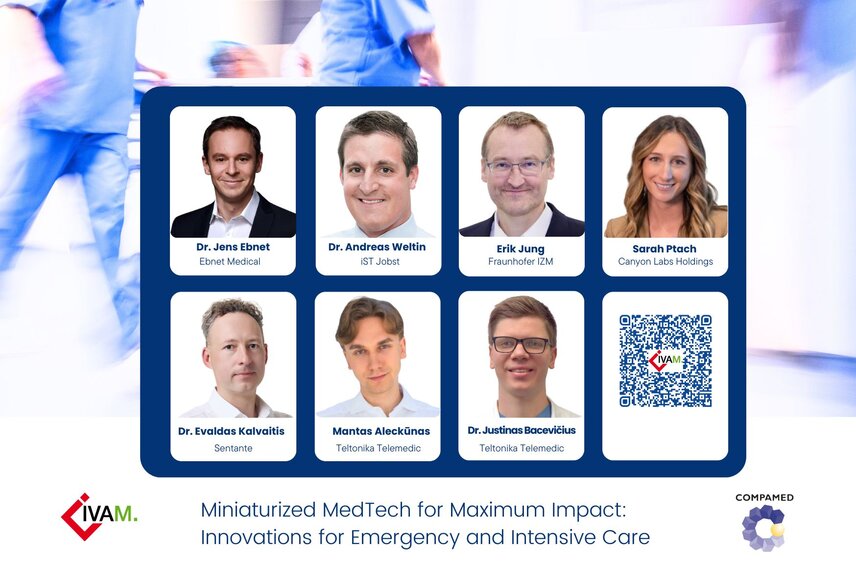
The healthcare systems worldwirde are undergoing a profound transformation – particularly in emergency and intensive care, where every second counts. Miniaturized medical technology solutions – ranging from wearable sensors and mobile diagnostics to intelligent systems – enable more precise diagnoses, continuous monitoring, and more efficient treatment. This opens up new possibilities to treat patients faster, more effectively, and in a more personalized way.
Overcrowded emergency departments, limited personnel and technical resources, and the growing demand for rapid and reliable diagnostics define everyday life in emergency and intensive care. At the same time, technological innovation is driving significant progress.
Miniaturized medical technology has already fundamentally changed patient monitoring: devices continuously capture vital parameters such as heart rate and oxygen saturation, providing valuable real-time data. In parallel, artificial intelligence supports medical professionals in decision-making, for example by predicting disease progression or enabling more efficient resource allocation.
The integration of modern systems also plays a key role. Vital data, laboratory results, and other patient information are combined in real time, providing a comprehensive overview of a patient’s condition. Advanced sensor technology detects critical changes at an early stage and prioritizes relevant alerts.
However, not only technical performance matters – usability is equally crucial. “Reducing complexity is essential for safe patient care. Medical devices must not allow user errors,” emphasizes Dr. Jens Ebnet, anesthesiologist and emergency physician.
The future of emergency and intensive care will increasingly be shaped by intelligent, often invisible technologies. Implantable, wearable, or even ingestible sensors could continuously collect data and automatically trigger alerts in critical situations.
Compact diagnostic systems may enable early detection of strokes, while mobile therapeutic devices – such as miniaturized dialysis units or robotic assistance systems – could strengthen outpatient care. At the same time, intensive care units are evolving into highly connected, intelligent environments where AI-supported systems act proactively, prevent overload, and enable personalized treatment strategies.
Current developments in the field will be highlighted at the digital COMPAMED Innovation Forum, organized by IVAM in cooperation with Messe Düsseldorf. This year’s webinar will take place on May 21, 2026, from 15:00 to 17:30 (CEST) and will bring together leading experts from the field. Participation is free of charge but requires registration.
Under the theme “Miniaturized MedTech for Maximum Impact: Innovations for Emergency and Intensive Care”, key questions will be addressed: What do users expect from modern medical technology? What are the latest approaches in vascular access? What role do biosensors, wearables, and robotic systems play? And how can medical technology be designed for safe and intuitive use under pressure?
The forum not only provides insights into current innovations but also offers an outlook on key topics of COMPAMED – Europe’s leading trade fair for suppliers to the medical manufacturing industry. One thing is clear: miniaturized medical technology is a key enabler of a more efficient, precise, and patient-centered healthcare system of the future.
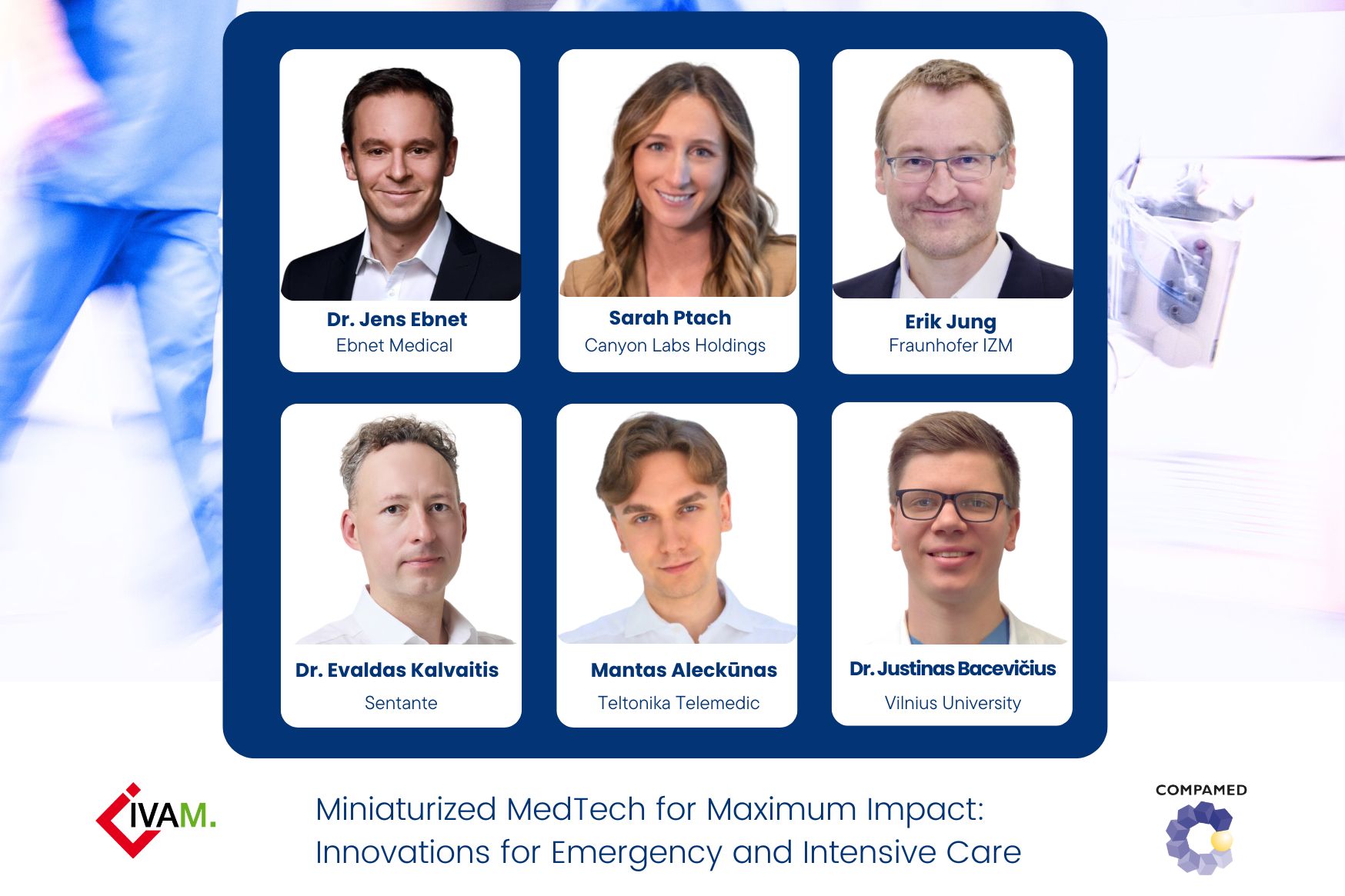
This year's COMPAMED Innovation Forum focused on "Miniaturized MedTech for Maximum Impact: Innovations for Emergency and Intensive Care." Selected presentations …
.png)
Cancer diagnostics is at a turning point: new technologies are fundamentally changing how we recognize, understand and treat diseases. This …
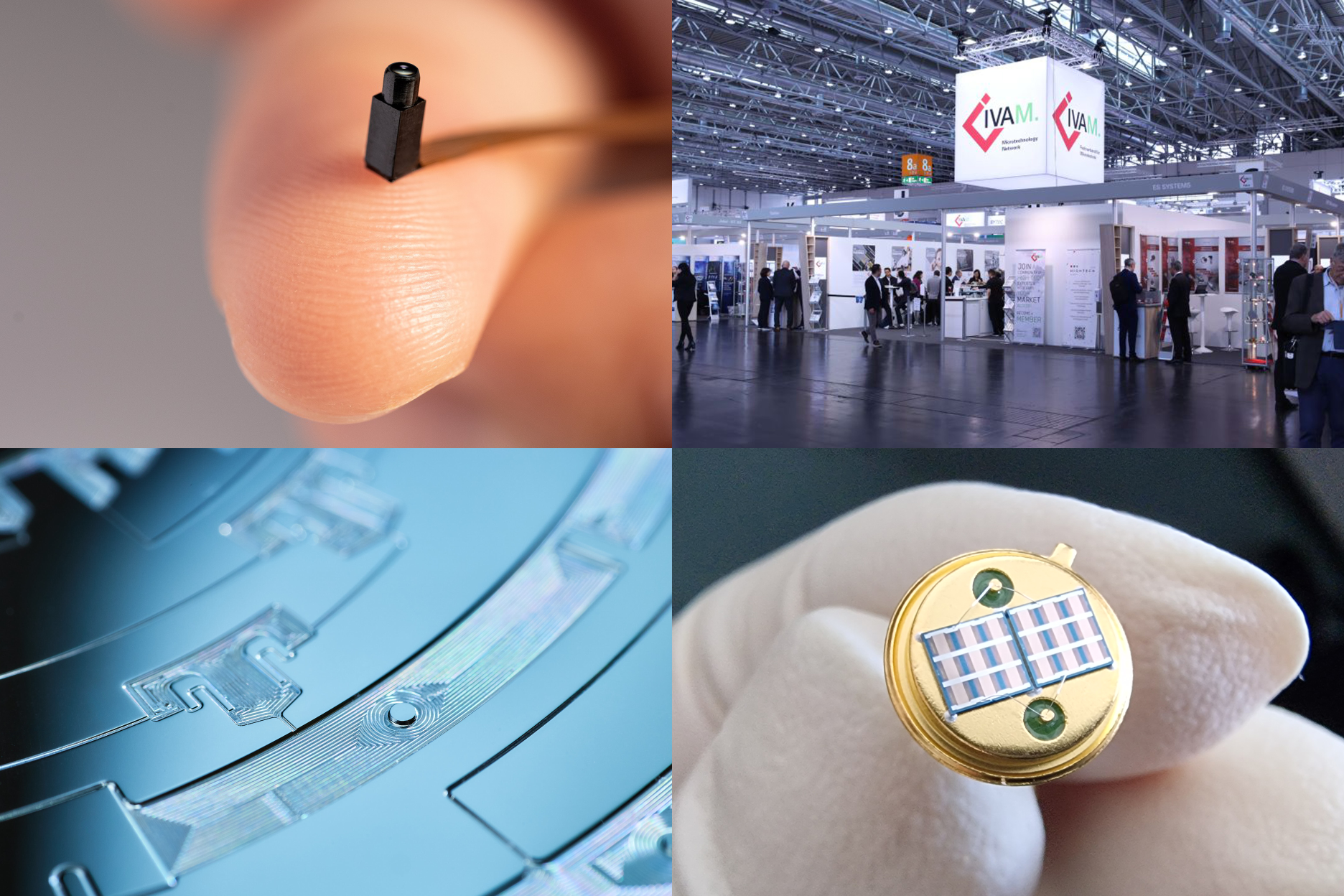
From November 17–20, 2025, more than 50 exhibitors and partners will present the latest microtechnology solutions for the MedTech supply …

).1.png)