Member profile


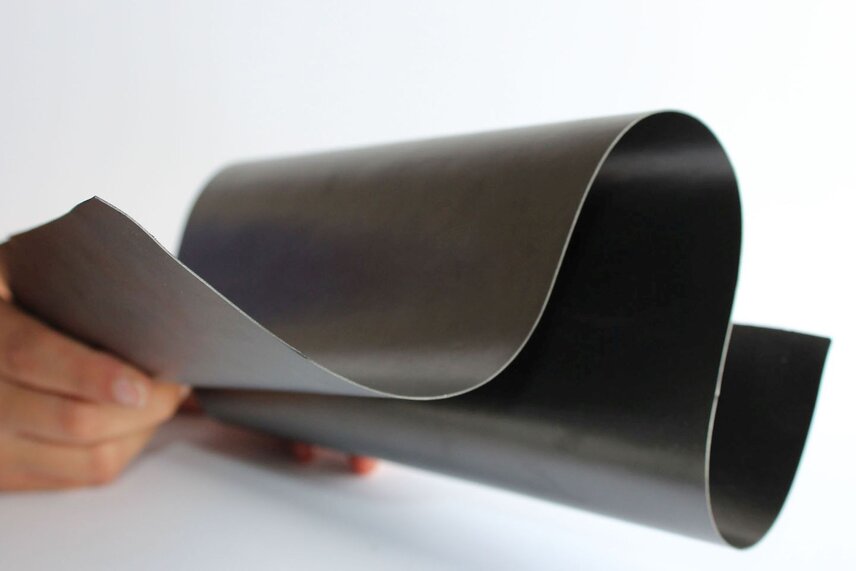
The HyCoFC research project is revolutionizing bipolar plate technology for fuel cells in heavy-duty applications. By integrating a metallic carrier film with a conductive compound film, this approach leverages the strength, conductivity, and corrosion resistance of both materials to meet the extreme demands of heavy-duty transportation. These large-format hybrid compound bipolar plates improve the durability of fuel cells while reducing manufacturing costs—key factors for widespread adoption in freight transport.
At the core of this innovation is the application of advanced laser technologies to enhance material properties. Precision laser structuring optimizes adhesion between layers, while ultrashort pulsed lasers selectively remove non-conductive material, ensuring optimal electrical performance. Laser welding further guarantees a hydrogen-tight and reproducible connection, crucial for long-term reliability in demanding environments.
The HyCoFC project employs multiple state-of-the-art laser processing techniques to enhance the performance and manufacturability of bipolar plates:
These technologies are being rigorously tested in Fraunhofer ILT’s Hydrogen Lab, which provides a 300 m² state-of-the-art research facility designed for full-scale process development and optimization. This controlled environment enables the simulation of real-world conditions, ensuring that the hybrid bipolar plates meet industrial requirements before scaling up for production.
The hybrid compound bipolar plates are designed for scalable production, making them suitable not only for heavy-duty trucks but also for maritime applications and stationary fuel cell systems. The project focuses on implementing a roll-to-roll manufacturing process, which ensures high-volume, high-quality, and cost-efficient production. This continuous fabrication approach is a game-changer for fuel cell manufacturing, bridging the gap between research and large-scale industrial application.
With €3 million in funding from the Energie.IN.NRW innovation program, HyCoFC is a collaboration between leading research institutions and industrial partners. Fraunhofer ILT, Fraunhofer UMSICHT, and thyssenkrupp Steel, along with FEV, Schepers, and Cleanlaser, are working together to bring next-generation fuel cell technology to market.
By combining cutting-edge laser processing with hybrid materials, the HyCoFC project is setting new benchmarks for efficient, durable, and scalable fuel cell technology, accelerating the transition to sustainable heavy-duty transportation.
Contact: Fraunhofer ILT
Fraunhofer ILT and the Spanish engineering and machine tool specialist Etxetar have signed a memorandum of understanding to advance the …

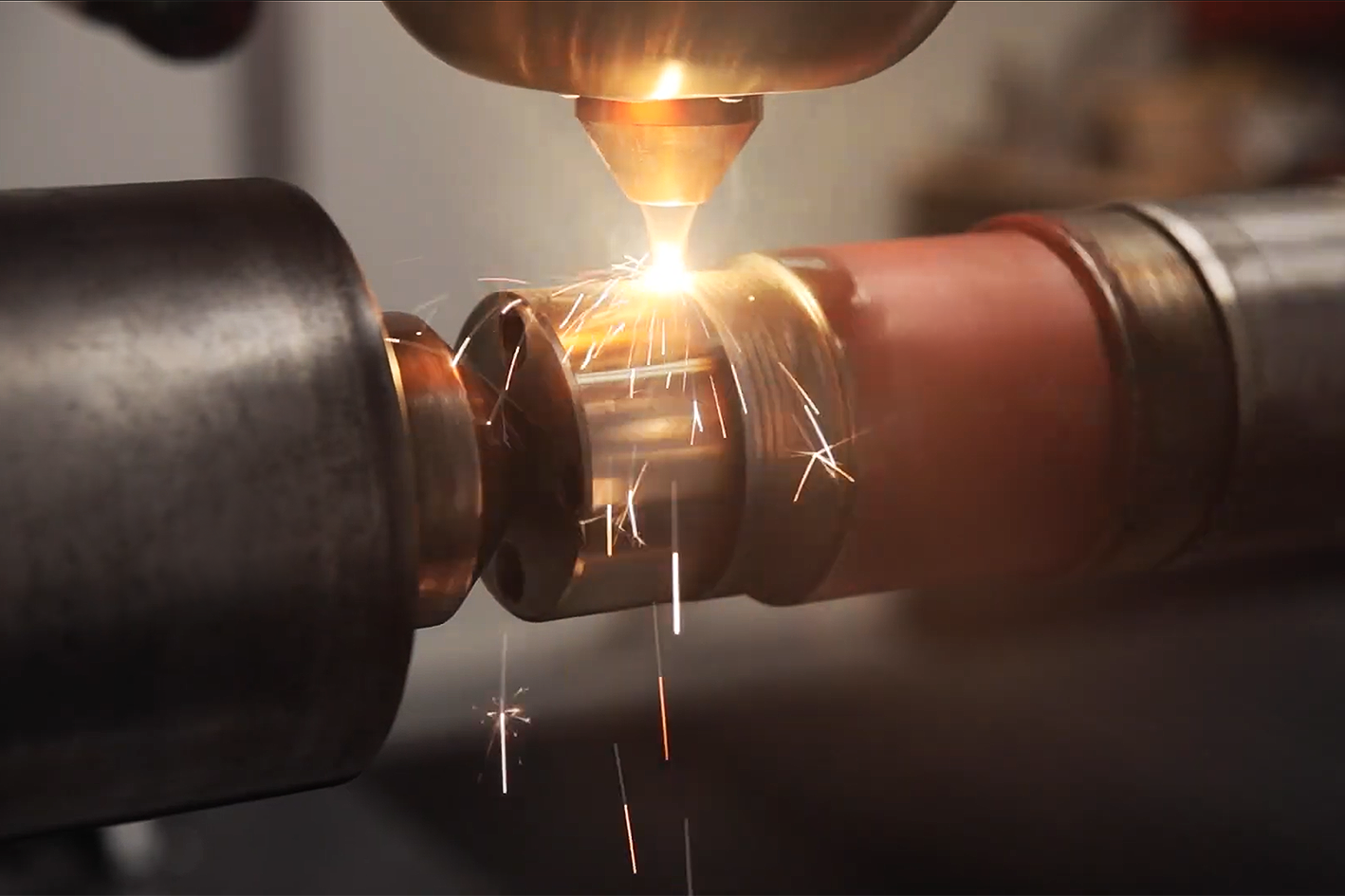
A new spin-off from the Fraunhofer Institute for Laser Technology ILT is pushing the boundaries of laser-based manufacturing with an …
.png)
The new EU Packaging and Packaging Waste Regulation raises many practical questions for companies: Which requirements apply to their packaging? …

 (1).1.png)